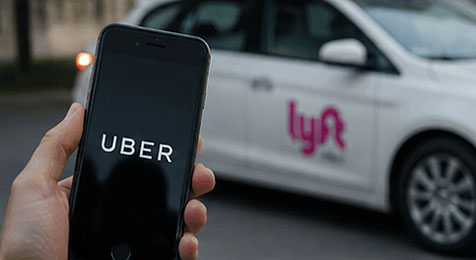
Rideshare Coverage Changes With Every Phase
A collision involving an Uber, Lyft, or other rideshare vehicle raises an insurance question that an ordinary car accident does not: which policy applies? The answer depends on what the driver was doing at the moment of the crash, and getting it wrong can cost an injured person dearly.
- App off (driver not working): the driver’s personal auto policy responds.
- App on, waiting for a request: a limited layer of rideshare/contingent coverage typically applies.
- Trip accepted or passenger aboard: the rideshare company’s commercial liability coverage — often a substantial policy — is engaged.
We determine the precise phase using app records, trip logs, and the driver’s status, then pursue the correct policy or combination of policies.
Who Can Claim After a Rideshare Crash
We act for everyone injured in these collisions:
- Passengers in the rideshare vehicle — who are almost never at fault and have strong claims.
- Rideshare drivers injured while working.
- Occupants of other vehicles, pedestrians, and cyclists struck by a rideshare vehicle.
Your Accident Benefits Still Apply
Regardless of which liability policy applies, an injured person in Ontario can access no-fault accident benefits (SABS) for medical care, rehabilitation, attendant care, and income replacement. As a passenger, you may claim through your own policy, a family member’s policy, or the policy covering the vehicle you were in. You must notify the insurer within 7 days, so prompt advice is essential.
The July 1, 2026 auto-insurance reforms change which benefits are mandatory and who is eligible for certain optional benefits. Whether they affect your rideshare claim depends on your accident date and the policies involved — see our July 2026 AB Changes page and call us to confirm.
The Tort Claim
Beyond accident benefits, you can sue the at-fault party — whether the rideshare driver or another motorist — for pain and suffering and uncovered losses, subject to the statutory threshold and deductible.