The "Invisible" Injury That Changes Everything
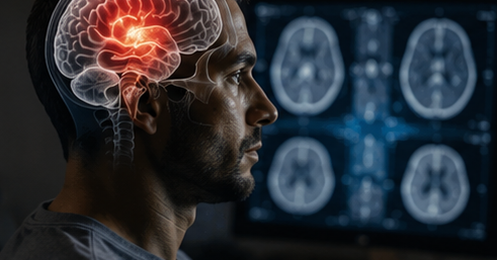
A traumatic brain injury (TBI) can result from a car accident, a fall, an assault, or any blow to the head. Even a "mild" TBI or concussion can produce lasting and disabling effects — yet because a brain injury often leaves no visible scar, insurers routinely minimize it. Proving the real impact requires the right experts and a deliberate, evidence-based strategy.
The Wide-Ranging Effects of a TBI
Brain injuries affect cognition, emotion, behaviour, and physical function. Common consequences include:
- Cognitive: memory loss, difficulty concentrating, slowed processing, and impaired executive function.
- Emotional and behavioural: depression, anxiety, irritability, personality change, and impulsivity.
- Physical: headaches, dizziness, fatigue, light and noise sensitivity, sleep disturbance, and seizures.
These effects can devastate a person's ability to work, study, and maintain relationships — often more profoundly than a visible orthopaedic injury.
Proving the Injury
Because a TBI is frequently invisible on routine scans, we build the case with neuropsychological testing, neurological and psychiatric assessments, neuro-imaging where appropriate, and detailed evidence from family, friends, and co-workers documenting the change in the person before and after the injury. This combination establishes both the existence and the magnitude of the deficits.
"Before-and-after" lay evidence is powerful. The people who knew the injured person best can describe changes in memory, temperament, and capability that no test alone can fully capture. We gather and present this evidence carefully.
Catastrophic Impairment and Enhanced Benefits
A serious brain injury may meet the SABS definition of catastrophic impairment, which dramatically increases the available medical/rehabilitation and attendant-care limits. We pursue that designation early, supported by the necessary specialist assessments, so that funding for treatment and care is not capped at the much lower non-catastrophic limits.
Compensation for Brain-Injury Survivors
A TBI claim can include pain and suffering; past and future income loss and lost earning capacity; the cost of future medical care, rehabilitation, and attendant care; case management and home modifications; and, where the survivor needs ongoing support, the lifetime cost of that care. Family members may have derivative Family Law Act claims.