Strict Liability — Ontario Has No "One Free Bite"
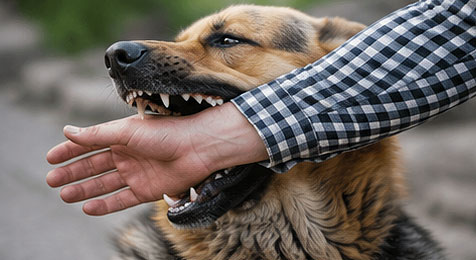
Ontario's Dog Owners' Liability Act imposes strict liability on the owner of a dog that bites or attacks a person or another animal. Unlike some jurisdictions, Ontario has no "one-bite" rule: you do not have to prove the dog had bitten before, that it was known to be dangerous, or that the owner was careless. The owner is liable for the damage the dog causes, full stop.
This is one of the most claimant-friendly areas of Ontario law. The owner's liability does not depend on fault — it arises from ownership of the dog itself. The main issues are usually the extent of the injuries and the source of insurance, not whether liability exists.
The Injuries Are Often Severe — Especially for Children
Dog attacks cause puncture wounds, deep lacerations, nerve and muscle damage, infections, and permanent scarring and disfigurement. They also frequently cause lasting psychological trauma, including anxiety and post-traumatic stress — particularly in children, who are the most common victims and often suffer facial injuries. We retain plastic surgeons and mental-health experts to document the full, lifelong impact.
Where the Compensation Comes From
Compensation for a dog-bite claim is most often paid through the dog owner's homeowner's or tenant's insurance policy, which typically includes personal-liability coverage. Identifying the right policy is part of our work, and it means a recovery does not usually come out of the owner's pocket directly.
Reducing the Owner's Liability — and Our Response
An owner may try to reduce liability by alleging the injured person provoked the dog or was trespassing. These arguments go to contributory negligence and rarely succeed where a person was lawfully present and acting reasonably — and they do not eliminate the owner's strict liability. We meet them with witness evidence and the facts.
What To Do After a Dog Attack
- Get medical care immediately — bite wounds carry a high infection risk.
- Identify the dog and its owner; get their name, address, and contact information.
- Photograph your injuries and the location of the attack.
- Report the attack to Animal Services / public health and to police if needed.
- Collect witness contact details and keep all medical records.
- Call Azimi Law to identify the owner's insurance and pursue your claim.
Compensation You May Recover
A dog-bite claim can include pain and suffering; the cost of past and future medical care, including reconstructive and scar-revision surgery; psychological treatment; income loss; and out-of-pocket expenses. Scarring and disfigurement — especially facial — and psychological harm are significant heads of damage.