Cyclists Have Strong Legal Protections
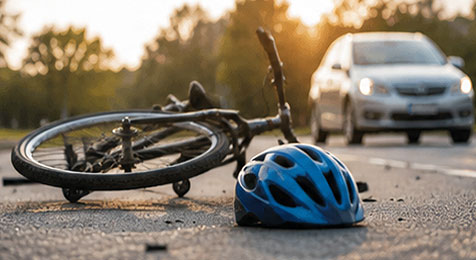
A cyclist struck by a motor vehicle can suffer severe injuries — head trauma, broken bones, road rash, and spinal damage. The good news is that Ontario law treats a bicycle as a vehicle with a right to the road, and gives an injured cyclist meaningful legal advantages.
Most importantly, section 193 of the Highway Traffic Act imposes a reverse onus: when a cyclist is injured by a motor vehicle on a highway, the burden shifts to the driver to prove they were not negligent. That protection makes a properly investigated cycling claim difficult for an insurer to dismiss.
Common Cycling Collisions We Handle
- Dooring — a parked motorist opening a door into the path of a cyclist (a specific Highway Traffic Act offence).
- Right- and left-hook turns where a driver cuts across a cyclist's path.
- Intersection and crosswalk collisions and failures to yield.
- Vehicles encroaching on bike lanes or passing too closely.
- Crashes caused by potholes, poor road maintenance, or defective infrastructure — which can support a claim against a municipality or contractor (subject to the 10-day notice rule).
Accident Benefits for Cyclists
A cyclist struck by a motor vehicle can typically claim no-fault accident benefits (SABS) — through their own auto policy, a resident family member's policy, or the insurer of the vehicle involved. These benefits cover medical care, rehabilitation, attendant care, and income replacement regardless of fault.
July 2026 reforms. Effective July 1, 2026, several accident benefits become optional and the newly optional benefits generally apply only to the named insured, spouse, and dependants. Some cyclists who previously accessed certain benefits through the striking vehicle's insurer may no longer be eligible. The rules that apply depend on your accident date — see our July 2026 AB Changes page and call us to confirm.
The Tort Claim and Helmet Use
You can also sue the at-fault driver for pain and suffering and uncovered losses, subject to the statutory threshold and deductible. Not wearing a helmet does not bar a claim; at most it may be raised on contributory negligence for head injuries, and we contest such arguments vigorously with medical evidence.
What To Do After a Cycling Collision
- Get medical attention immediately, even for seemingly minor head impacts.
- Call police and ensure a report is filed; record the driver's plate and insurance.
- Photograph the scene, your bike, the vehicle, and any road defect.
- Preserve your helmet and damaged bicycle as evidence.
- Collect witness contact information and call Azimi Law promptly.