
Most Ontario drivers don’t think about their car insurance until they need it. That’s understandable, but this year, that assumption could cost you.
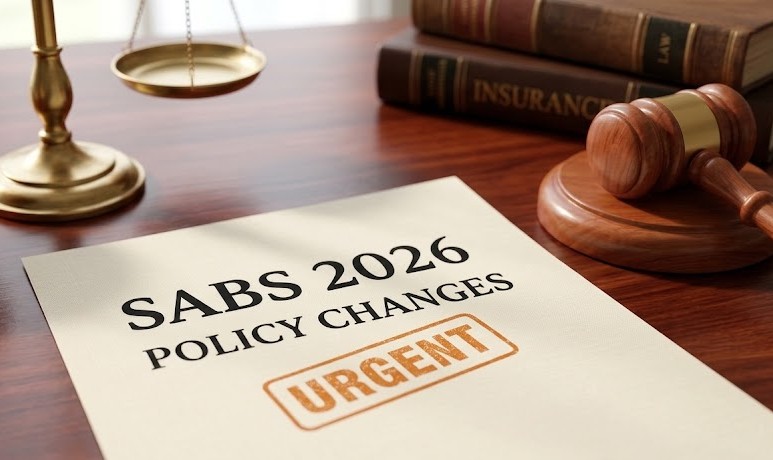
On July 1, 2026, changes take effect that will fundamentally alter the accident benefits included in your auto policy. These aren’t minor adjustments. Under Ontario Regulation 383/24, the Statutory Accident Benefits Schedule (SABS) is shifting from a comprehensive, standardized package to an optional “build-your-own” model. If you don’t act before that date, the coverage protecting you and your family may be far thinner than you realize.
At Azimi Law, we work with accident victims every day. We’ve seen firsthand what happens when people discover too late that their benefits don’t cover what they assumed they would. This post is our effort to make sure that doesn’t happen to you.
What Is SABS, and Why Does It Matter?
The Statutory Accident Benefits Schedule is built into every Ontario auto insurance policy. These benefits are designed to provide financial support and access to rehabilitation services regardless of who was at fault for the collision. That’s an important point: you don’t have to win a lawsuit or prove the other driver was negligent to access them. If you’re hurt in a car accident, SABS is your first line of financial protection.
Right now, that protection includes income replacement if you can’t work, caregiver support if you look after children or dependent family members, medical and rehabilitation costs, attendant care for serious injuries, and death and funeral benefits for your family. These have been automatically included in standard Ontario policies for decades.
That’s about to change.
What Is Actually Changing on July 1, 2026?
After July 1, 2026, only three categories will remain mandatory in every auto insurance policy: medical benefits, rehabilitation benefits, and attendant care benefits.
Everything else becomes optional, meaning it disappears from your policy unless you specifically choose to add it and pay for it. The benefits that will become optional include income replacement, non-earner benefits, caregiver benefits, housekeeping and home maintenance expenses, visitor expenses, and funeral and death benefits.
On income replacement specifically: the default drops to $400 per week. You can upgrade to $1,000 per week, but only if you actively opt in. For most working Ontarians, $400 a week doesn’t come close to covering actual lost income, and most people won’t realize their policy defaulted to that amount until after an accident has already happened.
Why “More Choice” Isn’t the Whole Story
The government has described this reform as giving drivers more flexibility. There’s some truth to that. But this reversal places the burden entirely on consumers to understand what they need and actively select coverage. That’s a significant shift from how this system has operated for decades.
In practice, most people won’t upgrade their benefits, not because they don’t need them, but because they don’t know the question is being asked. Auto-renewal is common. People trust that their insurer will keep them protected at roughly the same level as before. After July 2026, that trust may be misplaced.
If a significant number of policyholders decline these benefits, there could be greater reliance on public assistance programs like ODSP, CPP-D, and Ontario Works, placing additional pressure on government-funded programs and the healthcare system. We’re also likely to see a sharp increase in tort litigation, as injured people without adequate SABS coverage will have little choice but to pursue legal action to recover their losses.
Who Is Most Vulnerable Under These Changes?
Pedestrians and cyclists. A pedestrian struck by a vehicle will only receive mandatory medical, rehabilitation, and attendant care benefits, with no access to income replacement, death benefits, caregiver support, or other optional coverages unless they have their own auto insurance policy with optional benefits. If you don’t own a car and don’t carry your own policy, the new rules leave you with the bare minimum.
Stay-at-home parents and caregivers. Caregiver benefits are now optional. If you’re the primary caregiver for young children or a dependent family member and you’re seriously injured, there is no automatic financial support for the care you can no longer provide.
Self-employed individuals. The $400 per week income replacement default bears no relationship to what most self-employed people actually earn. Without upgrading your coverage, a serious injury means a significant income gap, with no mechanism through SABS to bridge it.
Anyone who renews without reviewing their policy. After July 2026, policies renewing on or after that date will need to adhere to the revised structure. Don’t assume “same as last year” means the same coverage.
What You Should Do Before the Deadline
These steps are straightforward, but they matter.
Pull out your current policy and review what SABS benefits you carry today. Then contact your insurance broker and ask them directly: what do I need to add to maintain my current level of protection after July 2026? Be specific. Ask about income replacement, caregiver benefits, housekeeping coverage, and death benefits. Factor in your own situation, including your income, your dependents, and how often you walk or cycle near traffic.
It’s wise to review your current policy, talk with your broker well ahead of July, and think carefully about which optional benefits might be worth preserving. The Financial Services Regulatory Authority of Ontario (FSRA) has also made resources available through the Insurance Brokers Association of Ontario for those who want a more detailed breakdown of the specific coverage changes.
If you’ve already been in an accident, or you’re managing a claim that may be affected by these changes, speak with a personal injury lawyer before making decisions about your coverage or your file.
How Azimi Law Can Help
At Azimi Law, we’ve represented Ontario accident victims for years. We understand this system in detail, both how it works today and how it will work after July 2026. Whether you have questions about what these changes mean for your situation, need guidance on a current claim, or want to understand your rights before anything happens, we’re here to help.
Don’t wait until you need this coverage to find out you don’t have it.
Call Azimi Law: (416) 900-4128 / www.azimilaw.ca
